Mountains of Gold
A field guide to navigating the American West in the fall months.

Fall rewards a particular temperament, because it favors flexibility and fewer plans. If you'd rather have an empty trail than a guaranteed-open restaurant, don't mind shifting gears due to weather, and spend more time on fewer things, then this is your season. If your idea of a trip is wall-to-wall sun, every service running, and an itinerary booked solid weeks out, the shoulder season will frustrate you, and you should go in July like everyone else.
The West typically clears out after Labor Day weekend with the exception of the handful of famous foliage spots, which concentrate the remaining crowd into a few September and October weekends: the Maroon Bells, the San Juans, the elk meadows of Rocky Mountain National Park, and the Eastern Sierra. The solution is simple: go midweek. A Tuesday in October at a place that's packed on Saturday can feel like a different planet.
A change to consider for 2026 is that several popular parks, including Zion, Bryce, Grand Teton, Yellowstone, and Rocky Mountain, added a steep per-person surcharge for international visitors this year. If you plan to go to more than two, a nonresident annual pass would offset this cost. But do keep in mind that the Park Service will be operating with a smaller staff, which means slower gate service and fewer services open. Plan to confirm everything and arrive early.
The Challenges
Here is the short list of what the season throws at you. Each destination below will cover which of these apply and exactly how to handle them, so you don't have to hold it all in your head at once.
- Weather that changes its mind. Forty-degree swings, and snow possible any time above 8,000 feet. Layers aren't optional.
- Short days, fast cold. Daylight is shrinking, and the temperature falls dramatically the moment the sun drops behind a ridge.
- Services shutting down. Campground water, shuttles, lodges, and some roads close on a rolling schedule from September into November.
- Passes closing for the year. High seasonal roads like Trail Ridge, the Beartooth, and Tioga shut with the first serious storm, sometimes overnight, sometimes for good.
- Altitude. Much of this country sits between 7,000 and 10,000-plus feet, and the cool air hides how dehydrated you're getting.
- A few real booking windows. Most of the West needs no reservation now, but a handful of spots still do, such as Maroon Bells, RMNP timed entry, and in-park lodges.
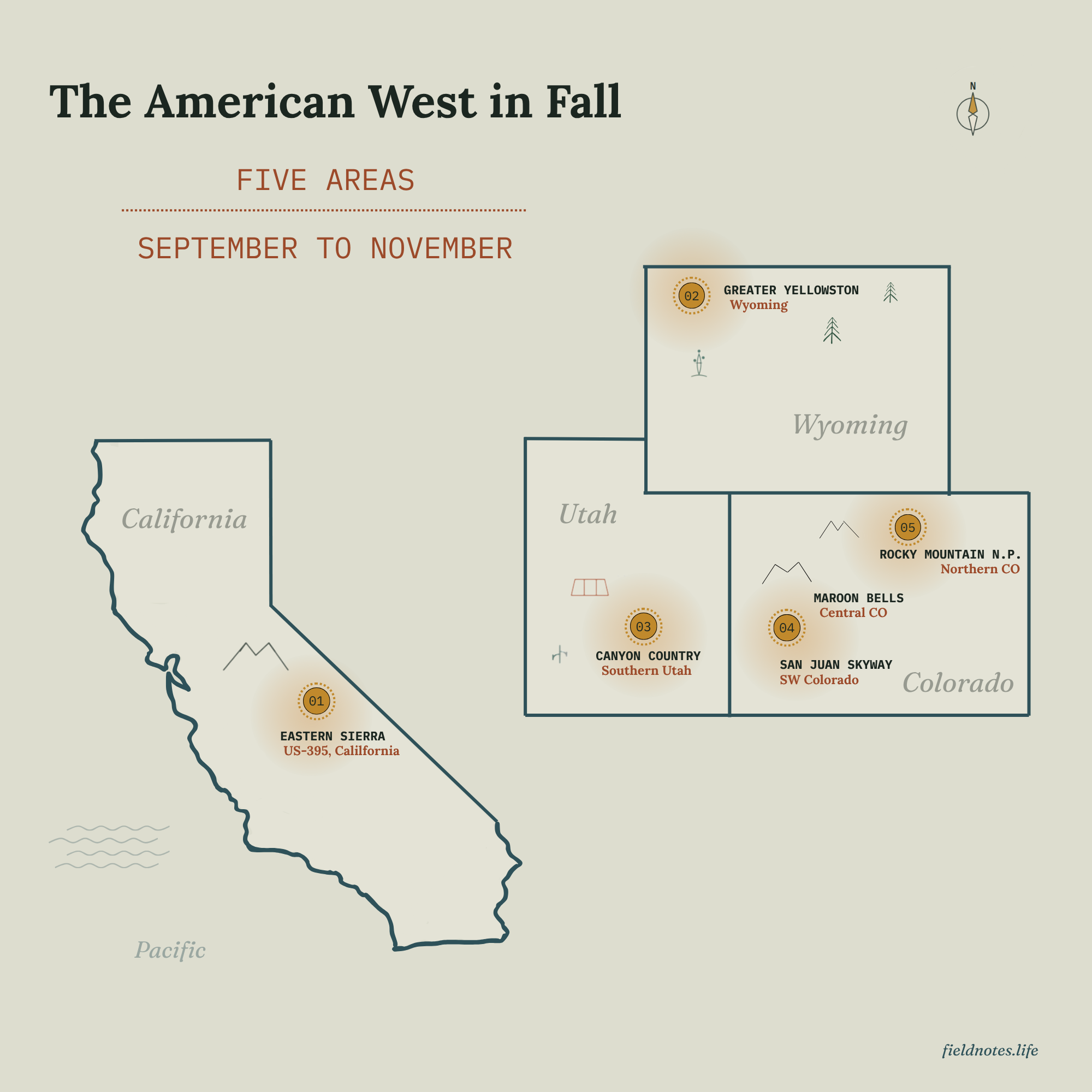
How to Plan
The West is too big to improvise and the season is too short to waste, but the planning doesn't have to be complicated. We’ll cover five decisions that will get you going, and they're best made in the order they are presented. Once you decide these, choosing from one of the destinations below will be a breeze.
The Planning Sequence
- Work from elevation and latitude, not the calendar. Decide when you can travel, then pick the place that is at its peak at that time, not the other way around. Late September points north and high; late October points south and low.
- Pick two, not five. The most common mistake is treating the list below as an itinerary. Two anchors in ten days is generous. One is better.
- Book Scarcely. Almost nothing will need a reservation, except RMNP timed entry, the Maroon Bells, and any in-park lodge. Everything else can wait.
- Base yourself in one or two towns for several nights each, daytripping out. If you seek a new bed every night, the driving will eat up the trip.
- Pack for everything. In a single day, the October sun can hand you sun, wind, and snow. Pack for the possibilities, not the forecast.
Booking
A Year Out
If you want an in-park lodge in Yellowstone or Grand Teton, now is them time to get one. They're scarce, and they close early for the season.
2-3 Months
* book rooms in Aspen, Estes Park, Telluride, and Bishop, especially if you're going on peak-color weekends.
* For those flying in and renting a car, this is the best time to book. Set a price alert earlier and book when it dips. But don't wait too long on the car. Car rentals this time of year sell out before the flights do.
1st @ 8am the Month Before
MTRMNP timed-entry blocks release monthly for the following month and again at 7 pm the night before if you miss them.
1-2 Weeks
Set up everything else. Read the foliage reports, watch the forecast, then commit to a canyon or valley.
Choose your adventure
The five destinations aren't interchangeable, each is built around a different experience. The fastest way to choose is to decide what you want to spend your days actually doing.
- Hot Springs & Soaking | The Easter Sierra
Spend a cold morning in the aspen and be in hot water by the afternoon. On a weekday, it will be nearly empty. - A Wildlife Spectacle | Rocky Mountain National Park or Greater Yellowstone
For the early risers, the rut is the star of the show in these locations at this time of year. Mid-September to early October. - Perfect Hiking Weather | Canyon Country
Southern Utah in October is the best hiking environment on the continent. The heat is gone, the crowds thinned, but the rocks still warm. - A Foliage Drive | The San Juan Skyway or the Eastern Sierra
Experience days of gold through the windshield. Walk as little or as much as you want. Hot - Small Towns, Off Season | Anywhere with a ski hill
October is the gap between the summer crowd and ski crowd; it's when you'll find the area filled with locals instead of tourists.
Lodging
- Gateway town motels and inns. This is the default and the most flexible option. In Estes Park, Bishop, Moab, Gardiner, Jackson, you can often books just days ahead midweek in October.
- In-park lodges. Atmospheric but scarce. Yellowstone's start shutting in late September, so we can't stress enough to book early if it's important to you.
- Vacation rentals. Best for slow traveling. The kitchen will be helpful if the town's restaurants have already closed for the year. A weekly rate is often the best value out here.
- Camping. Cheapest, coldest, and increasingly closed. Expect water shut off after Labor Day, many campgrounds shuttered, and nights well below freezing. This option is fine if your equipped.
Packing the Car
- A warm layer and a shell: A puffy jacket and something waterproof. Up high, the forecast is a suggestion, so be prepared to keep warm and dry.
- Traction: Microspikes if you plan to hike high. Chains and cables if you'll drive a pass late in the season.
- A red headlamp: for the dark-sky nights and to keep your night vision once you're there.
- A satellite messenger: if you're going remote or solo, there are long stretches with no bars and no traffic.
- Offline maps and a paper backup: Download maps before you lose signal.
- A car kit: blanket, extra food and water, jumper cables.
The Destinations
The West is too vast to cover in a single fall, and trying to do so will only leave you frustrated. This isn't a list of everything. Instead, here are five highlights, each offering something truly special in the colder months: a wildlife spectacle, a scenic foliage drive, a stretch of golden landscape, the desert's second summer, and the most famous park in America when it quiets down. We'll cover what makes each trip worthwhile and how to plan them, so you can focus on enjoying your adventure instead of scrambling with last-minute details.
Pick one or two and stay put. Let the season come down to you.
The Eastern Sierra & Highway 395
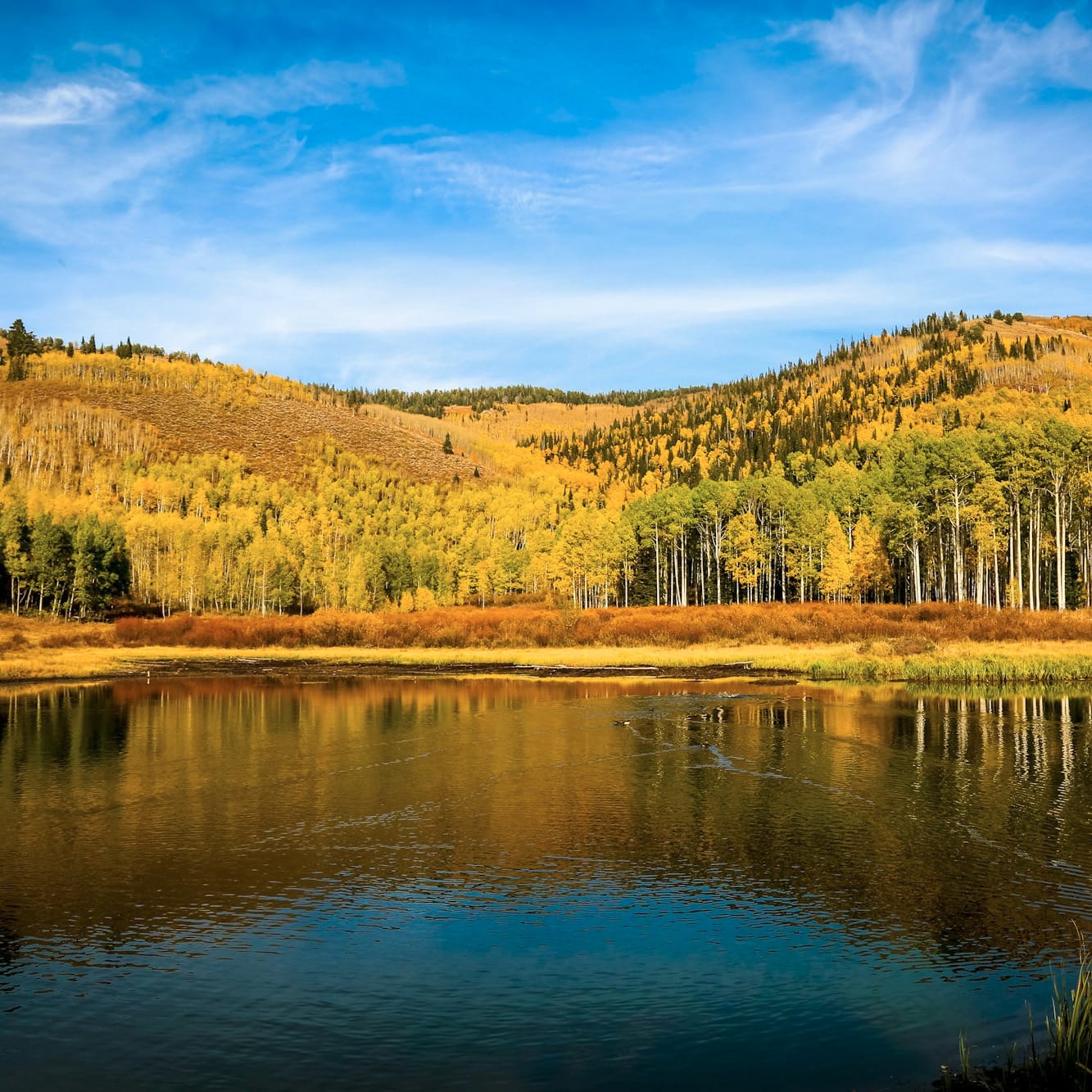
Think of this trip as a journey downhill. Begin at North Lake in Bishop Creek, then follow the changing colors north and down to the June Lake Loop and Lundy, where the fall colors last a bit longer. You're actually following the season as it moves down the mountain, and you can make the whole trip on just a couple of tanks of gas.
The logistics
Another highlight of this route is relaxing in a hot spring after a hike. Start your day among the aspens in the chilly morning, then unwind in 100-degree water with mountain views and golden reflections on the surface. The valley's developed springs are perfect for this, especially on quiet weekday mornings. For something unusual, visit Mono Lake's mineral towers or explore Bodie, a gold-rush town left in a state of arrested decay, which feels both eerie and beautiful in the off-season light.
One report site beats a hundred guesses
Showing up and finding green leaves or bare branches would because you came a week early or a week late would be disappointing. Instead, don't leave it to guesswork. The community at californiafallcolor.com posts dated, location-specific updates daily through the season, which canyon is "near peak," which is "past", and it is the most reliable foliage intelligence in the country. Read it the week before you leave, and again the morning you set out, and let it pick your canyon for the day. The Eastern Sierra has the longest, most dependable run in the West precisely because there's so much vertical to descend through; use the reports to stay on the right rung of it.
Greater Yellowstone in the Shoulder
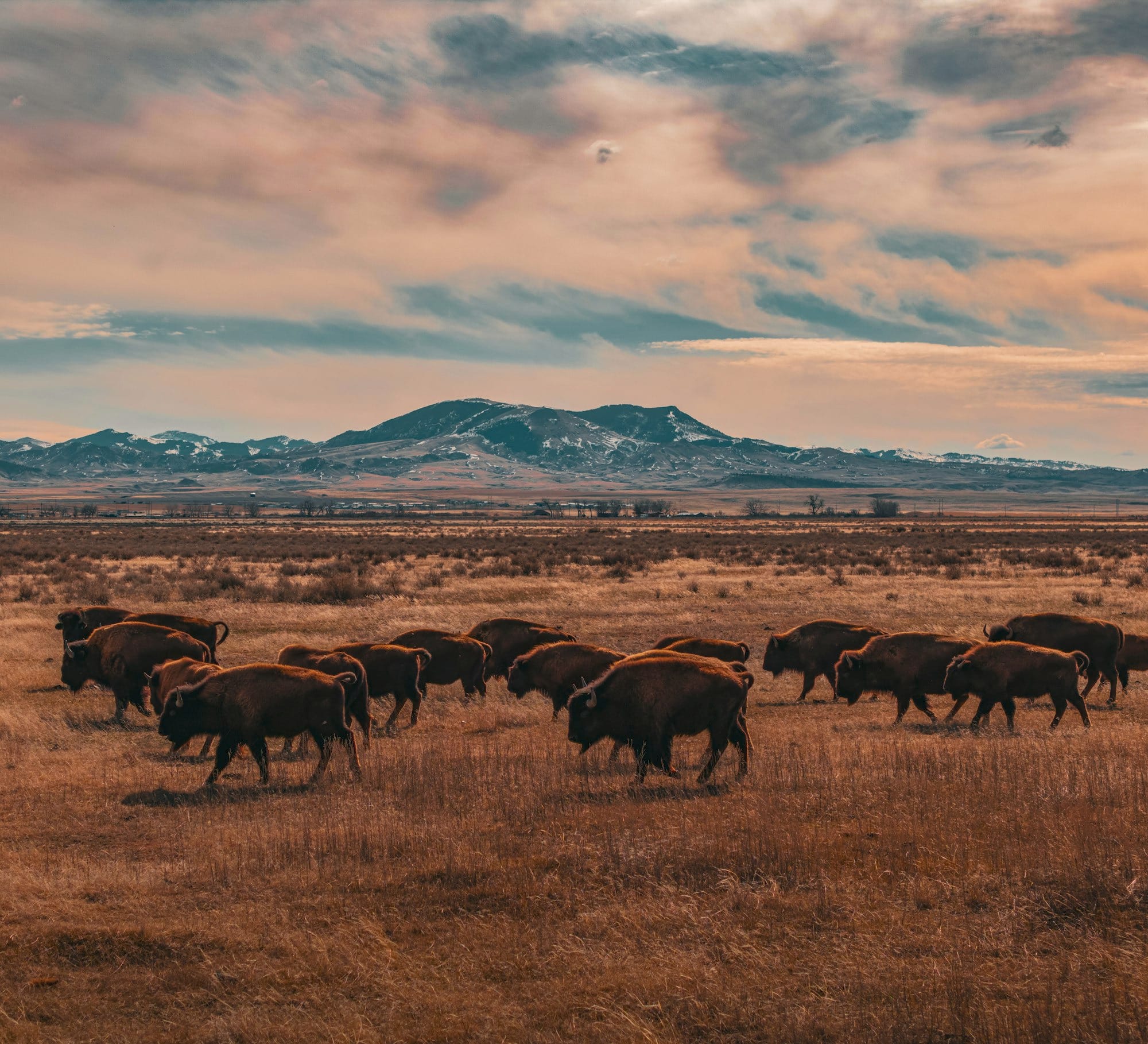
There's a short period between the summer crowds and the November closures when the country's most famous park becomes peaceful. Wildlife is active and dramatic, geyser basins send up thick steam in the cold, the first snow covers the Tetons, and roads that were packed in July are almost empty. The only challenge is that the area starts shutting down while you're visiting.
The logistics
The main draw here is the wildlife. In September, you can hear elk bugling and see bison during their rut. By October, bears are constantly eating before they hibernate, and the valleys are full of activity at sunrise and sunset, much more than in summer. The geyser basins are most impressive when the air is cold, and the first snow on the Tetons adds to the scene. It's the park at its most dramatic, but with far fewer visitors.
The real risk here is the schedule of closures. You can't just show up in late October and expect the roads, lodges, and gas stations to be open. Everything shuts down in stages, and one early storm can change your plans overnight. Think of the quiet park as a reward for being flexible: have a backup plan in Gardiner or Jackson, check road conditions every day, and remember that the same emptiness that makes the park special also means help is far away if you get into trouble.
The park doesn't close on one date, it closes in waves
Many people think there's just one 'closing day,' but that's not the case. Lodges close first, then visitor centers and services, and finally the roads, all on different dates from September through early November. A late-October trip can be amazing or leave you stranded if a storm hits, so give yourself extra time and never count on anything inside the park unless you've checked it's open for your dates. Bring more fuel, water, and warm clothes than you think you'll need, keep bear spray handy, and have a backup place to stay in a nearby town in case you find the park gates closed.
Canyon Country When the Heat Finally Breaks
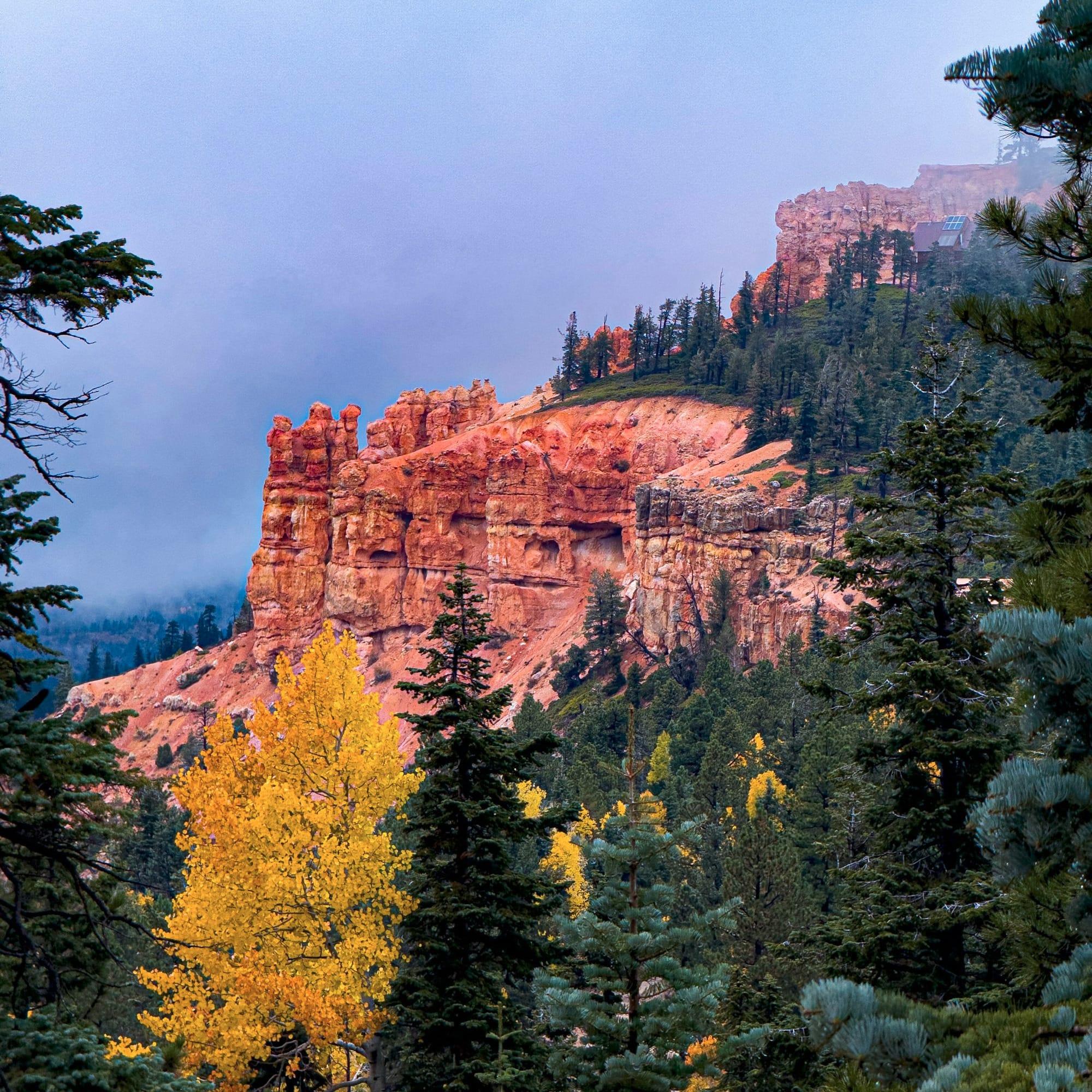
Fall transforms southern Utah. What feels harsh and dangerous in summer becomes one of the best places to hike. The slickrock cools from 100 degrees in July to comfortable 70s, cottonwoods turn gold along the streams, crowds drop from overwhelming to manageable, and the nights are cold and dark enough for incredible stargazing.
The logistics
The famous parks are always worth visiting, but fall is when the quieter ones really shine. Capitol Reef offers in-season orchards you can pick from, a peaceful scenic drive, and a bumpy road into Cathedral Valley. It's the least crowded of Utah's five national parks and is at its best now. The dark skies here are also a major draw; this is some of the least light-polluted land in the Lower 48, and October nights reveal a Milky Way so bright it casts shadows. If you love stargazing, check out Natural Bridges or the remote, nearly empty Great Basin National Park just across the Nevada border.
The Narrows in Zion deserves special mention because fall brings both great conditions and some risks. Wading the Virgin River through the slot canyon is one of the best day hikes in America, and early fall offers perfect warm air. But the water gets colder as the season goes on, so you'll need a drysuit or waterproof bibs. Also, this canyon can become dangerous if a storm hits far away.
The deadliest weather is the storm you never see
Slot canyons can flood from rain that falls miles away, even if the sky above you is clear. The fall desert may seem safe, but that's misleading. Before entering any slot canyon or the Narrows, check the regional weather forecast and flash-flood risk, not just the local one; the ranger station posts a daily rating for this reason. Once inside, pay attention to the water: if you notice a sudden rise, muddy water, floating debris, or a growing roar, get to higher ground immediately—don't wait for another photo. The desert is forgiving about most things, but not this.
Aspen Gold on the San Juan Skyway & the Maroon Bells
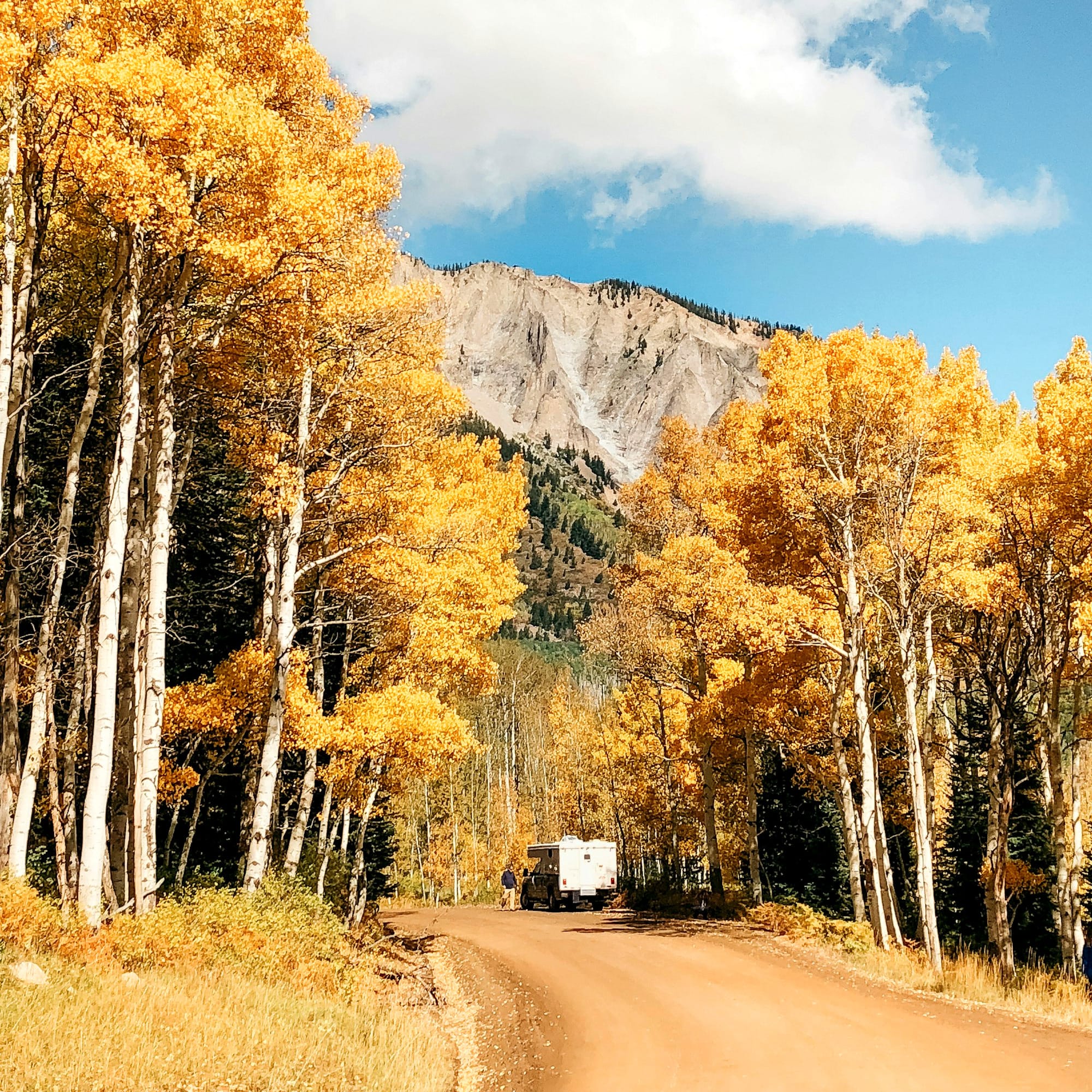
In southwest Colorado, the drive itself is the main attraction. The San Juan Skyway winds through the state's densest aspen groves, the Maroon Bells offer the most photographed mountain view in North America, and the gravel passes in between are lined with golden trees and see very few visitors. This trip is perfect for those who prefer exploring by car instead of hiking all day.
The logistics
The best approach here is to take the dirt roads. While the paved overlooks and Maroon Lake get crowded on peak color weekends, the gravel passes go through the brightest aspen groves and have much less traffic. Try Kebler Pass from Crested Butte, Last Dollar Road between Telluride and Ridgeway, or the back route over Ophir. These roads require a bit of ground clearance and a weather check, but the rewards are well worth it.
If seeing the Maroon Bells is a must for you—and that's understandable—visit at sunrise. Reserve a parking spot before 8am, get to Maroon Lake before the sun rises over the ridge, and you'll catch the perfect reflection and enjoy the peace before the first shuttle brings in the crowds. Once the area gets busy, you can head back down the valley and explore a gravel pass. Staying in Crested Butte instead of Aspen will save you money and put you among even better aspen trees.
The Reservation is for the postcard, not the gold
Many travelers spend an entire day dealing with the Maroon Bells permit system, not realizing that even better aspen groves are free and don't require reservations just thirty minutes away. Kebler Pass, just west of Crested Butte, is one of the largest aspen stands on earth and only requires a drive on a dirt road and a tank of gas. If you want the classic Maroon Bells photo, treat it as a quick sunrise stop, then spend the rest of your day on the gravel roads where the best colors are and the crowds aren't. If the road gets muddy, just turn around—these passes can become slick or snowed in without much warning.
The Elk Rut at Rocky Mountain National Park
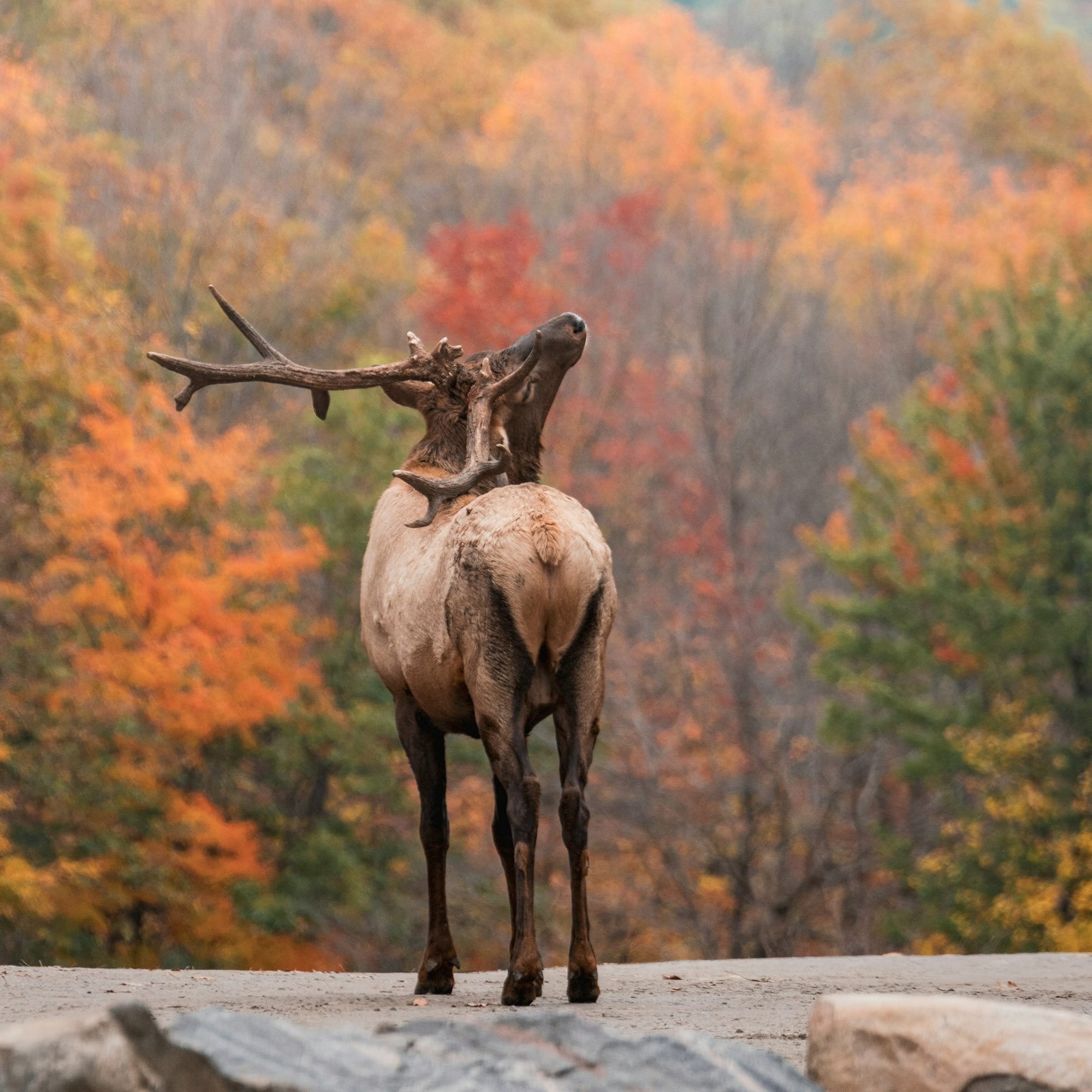
For a few weeks every fall, the meadows below the mountains come alive with bull elk bugling, herding their groups, and calling out across the valley. It's one of the continent's great wildlife shows, and you can see most of it from a paved pullout. The aspens turn gold at the same time. This is the simplest way to experience something truly amazing from this list.
The logistics
The real spectacle is the elk behavior. During the rut, a bull spends his days gathering cows, chasing off rivals, and bugling to show his strength. The sounds echo through the area, making it feel like they own the place. To see the action, head to the meadows just before sunrise or in the last hour before sunset. Save the middle of the day for exploring the aspen groves or driving the high roads.
This trip has its pros and cons. The good news is you get golden trees, crisp air, and an amazing wildlife show without needing any special permits. The downside is that the popular meadows attract crowds with big cameras on peak weekends, and the season is unpredictable; one heavy snow can close Trail Ridge Road and block access to the tundra. If you want more peace and quiet, the west side of the park, which you can reach over the pass or from Grand Lake, is usually less crowded.
Match your reservation to the dawn, not the afternoon
The best time to hear elk bugling is in the half-hour before sunrise, which is before the 9am start of the general timed-entry permit. Here's a tip most people miss: the large east-side meadows are inside the Bear Lake Road corridor, where reservations start at 5am, so book a Bear Lake permit for your early mornings during the rut.< That way, you can legally be in the meadow for the show while most visitors are still asleep. Even better, by the third week of October, the timed-entry system ends and the park is almost empty and reservation-free. Just remember, by then, Trail Ridge Road and the high-elevation colors may already be closed for the season.
Tuning the season to how you travel
For a short time between the busy summer season and the November closure, the most famous park in America becomes peaceful. Animals get ready for winter, the geyser basins send up thick steam in the cold, the first snow covers the Tetons, and roads that were packed in July are almost empty. The only downside is that the whole area is starting to close while you visit.
Safety & region-specific advice
- Altitude
- Much of this is 7,000–10,000-plus feet, and cool weather hides the dehydration that drives altitude sickness. Acclimate a day before anything hard, drink more than feels necessary, go easy on alcohol the first night up high.
- Weather & closing roads
- Expect forty-degree swings and possible snow above 8,000 feet. High seasonal passes close for the year with the first serious storm. Always have a plan-B route, and check road status the morning you travel.
- Wildlife distance
- Give rutting elk a wide berth; a bull in September is not the docile animal of July. In Greater Yellowstone, this is grizzly country: carry bear spray on your body, know how to use it, and store food properly.
- Fuel, water & signal
- There are long stretches with no gas, no water, and no bars. Top off at half a tank, carry extra water and warm layers in the car, download offline maps, and bring a satellite messenger if you're going remote or solo.
- Cold & dark come early
- The low fall sun drops behind ridges long before official sunset, and the temperature falls fast when it does. Turn around with far more daylight in hand than summer taught you to.
- Flash floods
- In canyon country, check the regional flash-flood forecast before any slot or the Narrows, and bail to high ground at the first sign of rising or muddying water.
- 2026 Housekeeping
- Several marquee parks added a per-person surcharge for international visitors this year, and the Park Service is running short-staffed — so gates and services are slower. Confirm reservations, hours, and closures directly with each park before you rely on them. Official details live at nps.govand recreation.gov
Take care of those things, and then you get to the best part. On your last evening, you’ll find yourself back near where you began, watching the golden light fade to gray. The bull will call out one last time up the valley, and this time you won’t jump, because you’ll know what it is, where he is, and why. In a few weeks, snow will cover everything and bring it all to a stop. But not yet. Tonight, it still belongs to you; the cold is settling in, and there’s nowhere else you’d rather feel it.
fieldnotes.life · Seasonal Guide · Fall 2026
Reservation systems, road and lodge closing dates, fees, and shuttle schedules change every year and sometimes mid-season. Everything here was checked in mid-2026, but treat each timing and booking note as a starting point and confirm current conditions with the park or land manager before you commit. The mountains keep their own schedule.